
News from 2026-01-21 / DEG
What the EU-Mercosur agreement means for the economy
The signing of the EU-Mercosur trade agreement last weekend brings Europe and Latin America closer together in economic terms. But what exactly will this political breakthrough mean for investment, supply chains and ESG standards in practice? Latin America expert Justus Vitinius, Director Industries and Services Latin America at DEG, talks to us about opportunities for businesses, the geopolitical significance of the contract and hidden potential.
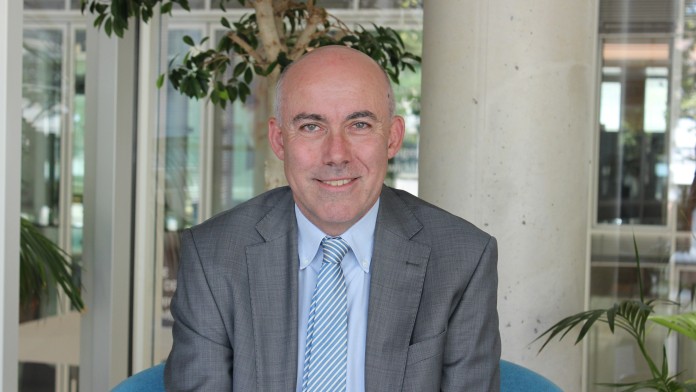
The EU-Mercosur agreement has been signed now, in January 2026, following decades of negotiations. How would you interpret this step from a geopolitical and economic viewpoint?
Justus Vitinius: There’s an enormous political dimension to the agreement, and not just in my opinion. Many stakeholders in Latin America feel that Europe and Germany have neglected their continent for many years. This has given rise to a gap that has largely been filled by China. If this agreement had not been concluded now, the Mercosur countries would probably have become even less interested in cooperating with us. Europe now has an opportunity to take cooperation to a new level. The agreement also creates a new economic appeal: the clear political will to cooperate will make German companies think more about investing in South America again, particularly in Brazil, but also in Argentina, for example, which is currently a driver of growth.
What concrete advantages will the free trade agreement create for companies operating locally and for customers of DEG?
Vitinius: First and foremost, it’s about making trade easier. Our local customers in South America and German companies that have invested there will have significantly better opportunities to export their products to Europe. The agreement doesn’t mean that everything will immediately be duty-free – there are quotas, particularly for agricultural products – but barriers are being reduced. It’s not just the movement of goods that’s important: the agreement is a sign of stability, which will have a positive impact on investment decisions.
One of the key points in negotiations was sustainability standards (ESG). Can this kind of trade agreement contribute to better environmental and social standards in the region?
Vitinius: Yes, but we have to differentiate. For companies wanting to export to Europe, standards on issues such as deforestation will definitely become more restrictive. That will incentivise companies that have already implemented solid ESG management on their own initiative to continue this approach. However, the agreement is not a panacea. A large proportion of the South American economy remains focused on Asia. If you’re primarily doing business with China, you’re unlikely to be very concerned about European ESG standards. The key here will be to offer the right incentives.
Looking beyond the major markets such as Brazil, where in the region are there specific growth opportunities that European investors may not even be aware of?
Vitinius: Many German companies often have a very narrow focus on the “top dogs”, Brazil and Mexico. But there are some very interesting niche markets. A good example is Costa Rica, which has a very well-educated population and has specialised successfully in medical technology. DEG has already financed an industrial park there. However, we have found that almost all the companies that have expressed interest in it so far are US companies. There is a great deal of potential there, as well as in countries such as Guatemala and Colombia. And, of course, the agricultural sector throughout the region will remain a key topic in future.
Where do you think DEG’s role will be in this new environment?
Vitinius: There is great potential in the region, particularly as we are more than just a money lender. DEG can inspire companies, because we combine liquidity with our promotional programmes and advisory services. If the agreement and the issues that the German government chooses to focus on lead to a stronger emphasis on private sector support, we will also be able to provide our customers with targeted assistance to enable them to take advantage of new export opportunities and improve their standards. This could boost our activities in the region significantly, and will benefit German and Latin American businesses.
Further information
A comprehensive overview of all DEG offerings for corporates can be found here: DEG for Corporates